Cora and Uncas' funeral
The Last of the MohicansThe funerals of Cora Munro and Uncas are the final communal rites of the novel, joining the Lenape’s mourning for two dead companions to a stark recognition of the Mohicans’ decline. Cora is buried with care by Lenape women, while Uncas receives the honors of a chief; at his grave, Chingachgook and Hawkeye clasp hands over the fresh earth, and the community’s grief becomes inseparable from the loss of a people.
The mourning assembly
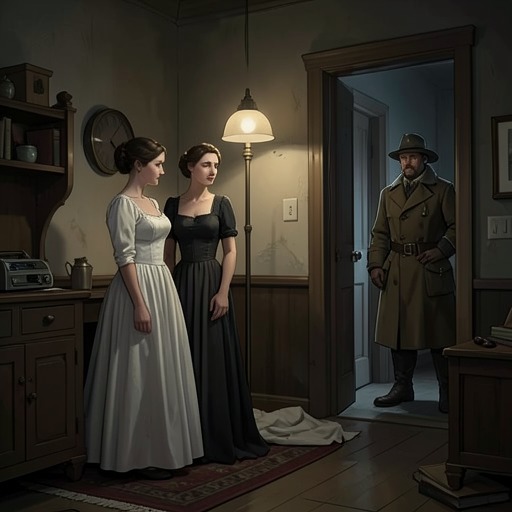
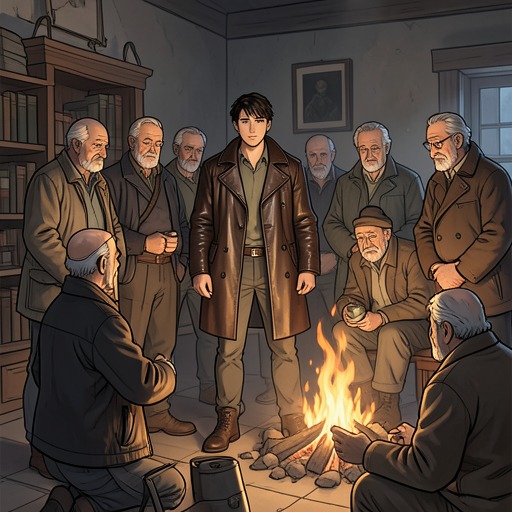
The morning after the battle, the Lenape are a nation of mourners. Their lodges stand deserted as people of every age and station gather in a silent circle around the dead. Six young women tend Cora’s bier, strewing fragrant herbs and forest flowers over the robes that conceal her. Near her lies her father, Colonel Munro, bowed by grief; David Gamut and Duncan Heyward stand nearby, each confronting the loss in his own way.
The rites make room for both shared sorrow and distinct forms of remembrance. Women voice an unstructured, wailing eulogy, taking up the lament in turn. In moments of heightened grief, the girls remove the flowers from Cora’s bier, then return them tenderly as the lament resumes. The ceremony turns from silence to song without diminishing the restraint that surrounds the dead.
Cora’s burial
When the women lift Cora’s bier and begin a measured procession, Gamut asks Munro whether they should follow and give her a Christian burial. Munro rises and joins the procession, carrying his grief with the bearing of a soldier. Heyward and the other friends follow, while the Lenape men remain gathered around Uncas.
The women carry Cora to a small knoll shaded by young pines. They wait until Hawkeye, who understands their customs, assures them that their care has been well received. They place her in a birch-bark shell, lower it into the grave, and cover the fresh earth with leaves and other customary natural objects. Hawkeye then indicates that their offices are complete and that Gamut will lead the Christian observance. The women step aside and listen quietly as he offers sacred song, a moment of accommodation between different funerary practices rather than a rejection of either.
Uncas’s funeral and the Lenape lament
Uncas is buried in a separate ceremony as a chief. His body is dressed in the tribe’s finest ornaments, but the display cannot conceal his death. Hawkeye returns after the others have gone and pauses to look at his friend before the Delawares close the final covering. The Lenape gather around Uncas’s temporary grave, which is intended eventually to give his bones a resting place among his own people.
The body is laid facing the rising sun, with the implements of war and the chase beside it for the final journey. An opening in the protective shell is left so that the spirit may communicate with its earthly dwelling, and the grave is concealed against disturbance. The burial thus honors Uncas not only as a fallen warrior but as someone whose place among his people remains significant beyond death.
The Lenape’s lament names the qualities by which they remember him. A young woman calls him the panther of his tribe and recalls his fleetness, bright eye, and battle voice; she also invokes his mother, asking Uncas to tell her that the Delaware girls wept for her son. The women’s eulogies and the grave’s careful preparation make communal memory part of the funeral itself.
Chingachgook, Hawkeye, and the ending
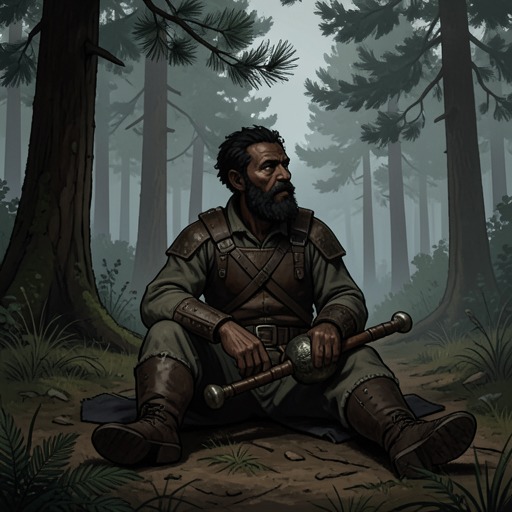
Chingachgook finally speaks as Uncas’s father. He honors his son as good, dutiful, and brave, but describes himself as a blazed pine standing alone in a clearing of the pale faces: the Mohicans have lost their lands and their people. Hawkeye answers that Chingachgook is not alone. Though their origins differ, he insists that their lives have followed the same path and recalls the years Uncas spent fighting and resting at his side.
Chingachgook takes Hawkeye’s outstretched hand, and the two men bow their heads together as they weep over Uncas’s grave. The gesture makes their friendship the emotional close of the rites, without undoing the loss that has brought them there. Tamenund’s final judgment extends that grief beyond the family: the pale faces rule the earth, and the time of the red men has not yet returned. The funerals therefore close the story both as acts of care for the dead and as a lament for the Mohicans’ passing.